


A World on the Move
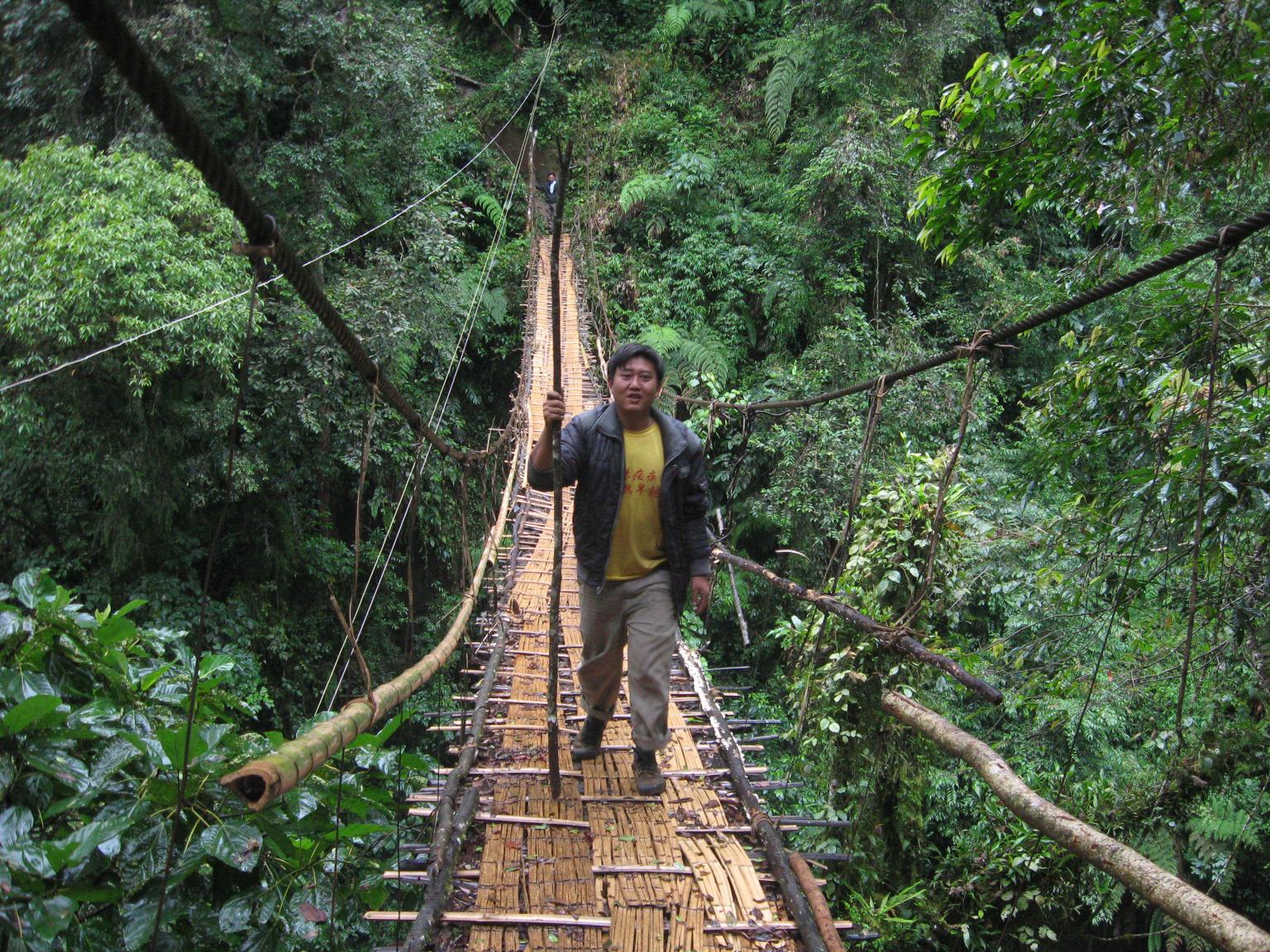
Beyond the feverish rhetoric of politicians and commentators, we’re working with communities to address some of the real issues that people are facing around migration globally - from displacement because of conflict and disasters; to the impact of emigration and estrangement on families. Donate to our A World on the Move appeal and help to build a future free from hunger and poverty, wherever people settle.
Migration, whether internationally or within a country, has been a constant throughout human history and is truly a global phenomenon. While there are undoubtedly many benefits to migration, there are also a variety of social issues related to migration that affect the communities we work alongside.
Some of the more difficult issues around migration involve circumstances where people are compelled to migrate because of oppression, conflict or disasters. This kind of migration, which often occurs within the borders of a given country, can leave individuals and families struggling to connect with loved ones, secure possessions, maintain livelihoods, and access appropriate food, water, clothing, shelter and basic supplies.
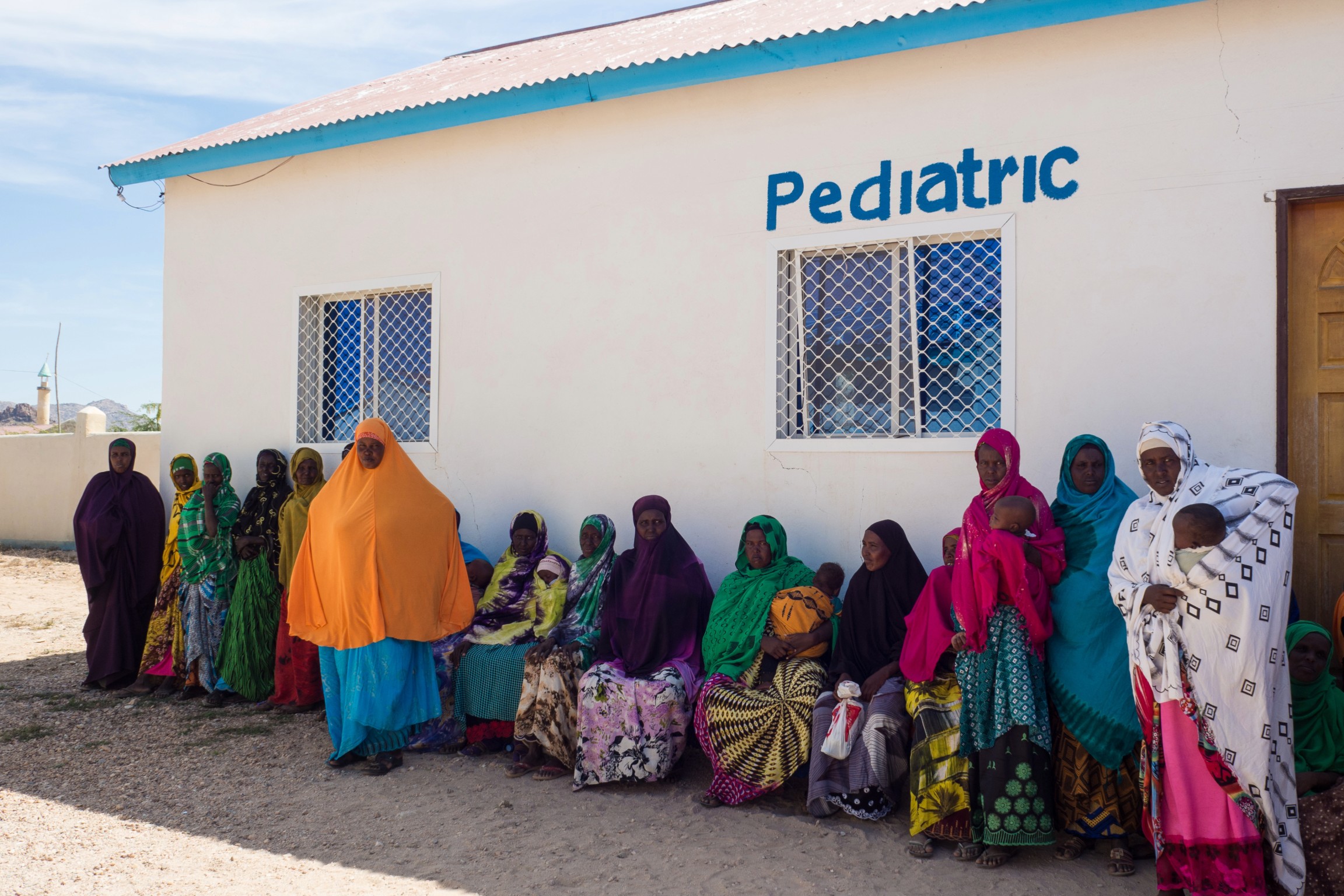
Mohamoud Ali Bullale, one of our local partners in Somaliland, explains how this phenomenon translates to his country: “We support health facilities in…Internally Displaced Persons (IDPs) camps…These IDPs generally fall into two categories; conflict induced IDPs and climate induced IDPs…A lot of people are leaving rural areas because their livestock is dying.”
Another issue is the variety of challenges that internal and international migrants can face in their new homes, such as discrimination, social exclusion, exploitation, economic precarity, uncertain legal status, emotional distress, gender-based violence, culture shock, and lack of support networks.
Nomadic peoples and mobile workers can face particular challenges. They often face exposure to infectious diseases, while their ability to access healthcare and social support can be limited. Furthermore, they sometimes experience social exclusion or conflict with settled populations.
Lastly, many communities are greatly affected by issues arising from emigration. These can include covering the cost of migration, family estrangement, loss of so-called ‘human capital’, the impact of remittances from expatriates, reintegration of returnees, and more.
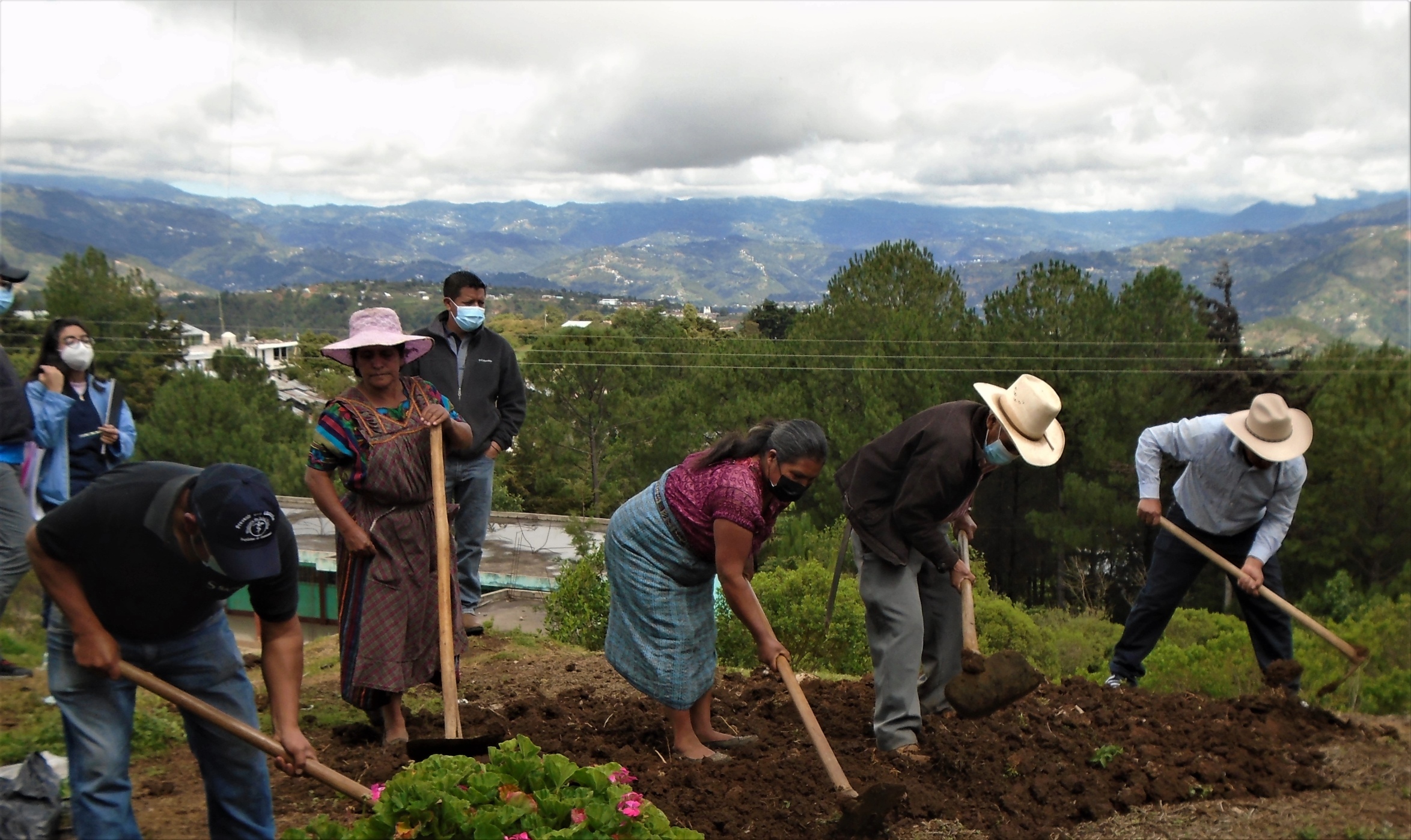
As Teresa Fuentes, one of our local partners in Guatemala, explains: “Lack of opportunities and unemployment pushes many people, especially men, to migrate to the USA, Canada and Spain…Migration leads to family break-ups: the husband migrates, some forget about their families and abandon them, with many starting new families in the new country.”
We work with communities globally to address the many issues that drive people into poverty and hunger, including issues related to migration.
For example, in Guatemala we partner with organisations that help to address some of the issues arising from mass emigration, including the effects of family estrangement and the loss of wage-earners.
In a country like Somaliland, where conflict, climate change and natural disasters have forced many people to leave their homes, businesses, possessions and communities, we support initiatives helping internally displaced families access nutritious food and healthcare.
In Myanmar, we support clinics in remote border communities, so health workers can detect the spread of diseases like malaria and provide treatment as people move back and forth across borders for work.
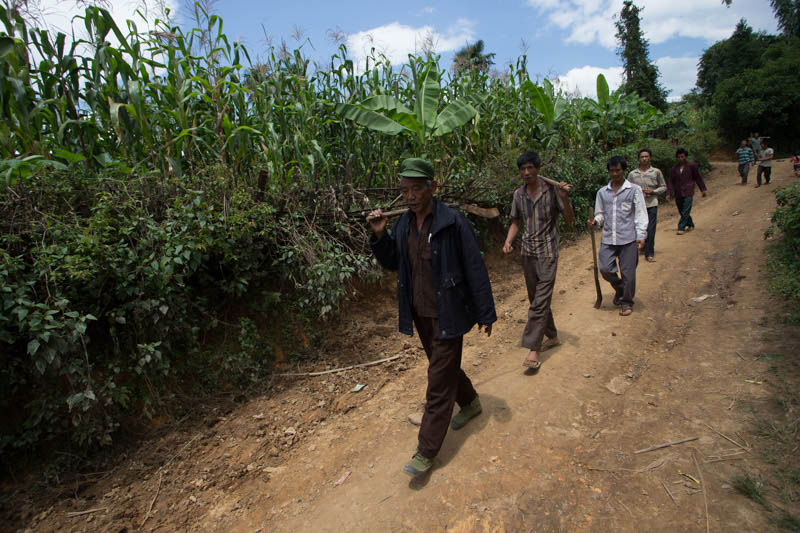
Ultimately, migration is a much more complicated and universal phenomenon than scaremongering politicians and pundits would have us believe. While we recognise that migration is an important part of the human experience, which often enriches our lives, we continue working with communities globally to address some of the genuine social issues related to migration.
- £5 could cover the cost of fuel for health workers to visit remote border communities to provide healthcare
- £38 could pay for vegetable seeds and chickens so internally displaced families can produce nutritious food to eat and trade
- £100 could cover the cost of renting a warehouse to store emergency food supplies for internally displaced families for a month
