
Beyond Conflict
22 May 2026
Find Your Feet was established in 1960 to support Eastern European refugees suffering from hunger and malnutrition after the Hungarian uprising against the Soviet-backed government was crushed militarily.
Still today, conflict is one of the major causes of hunger, poverty and poor health globally. Many of the communities we work alongside have either been impacted by violent conflict in recent times or are dealing with the effects of ongoing conflict.
From Myanmar to Ethiopia to Somaliland, we are building relationships with communities affected by conflict. This means we can contribute to tackling both immediate issues affecting people, such as hunger, displacement and insecurity, and also to developing sustainable livelihoods, social institutions and healthcare systems.
Regular donations help to sustain these vital initiatives so communities can improve people’s living conditions during and in the aftermath of conflict. If you can make a regular monthly donation, you are supporting long-term efforts to build stronger, more prosperous communities even in the most challenging circumstances.
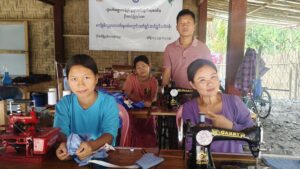
Pictured above: We support people affected by conflict in Myanmar to establish new enterprises
In Ethiopia, for example, ongoing civil conflict means people are finding it harder than ever to access healthcare. As one of our partners, Dr Tadesse Kassaye Woldetsadik, explains: “Especially in rural communities this is a challenge…militia fighters are fighting against the government and often the governments will close roads, even destroying infrastructure such as bridges themselves to ensure the militia can’t follow them. Then people find their access routes to the clinics or health posts are impassable.”
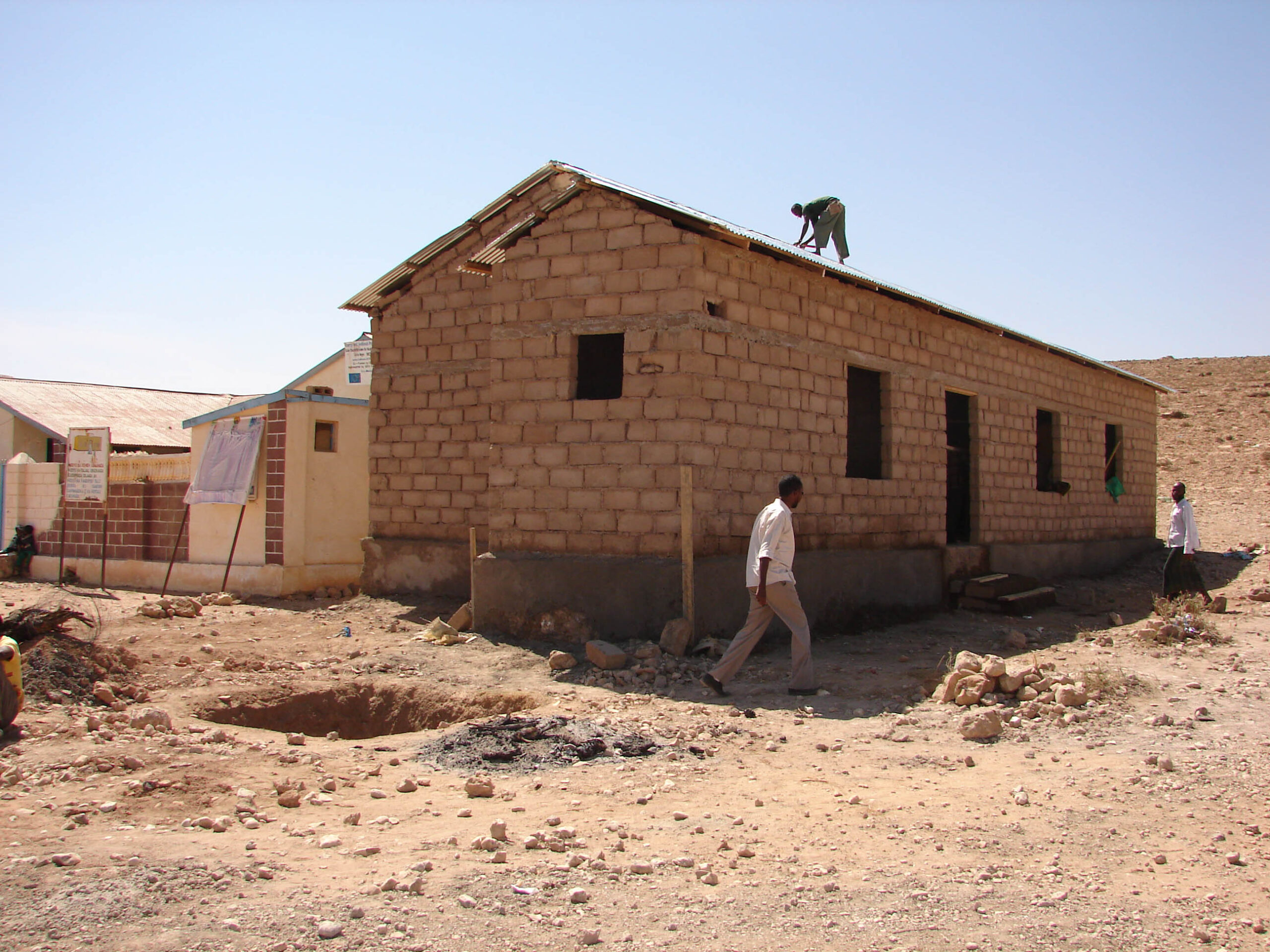
Our work in Somaliland, an autonomous territory that declared independence from Somalia in 1991, is shaped by that region’s experience of conflict. Many of the communities we work alongside have been displaced or isolated as a result of conflicts, leaving people uprooted from their homes, support networks and livelihoods.
We have been collaborating with health workers, government officials, and community leaders over recent years to ensure that people living in camps for internally displaced persons, especially women and children, can access healthcare, build livelihoods, protect their rights, and stay safe.
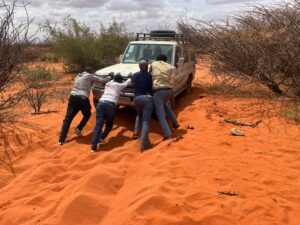
Our partners in Ethiopia reach remote villages hosting people displaced by conflict
Similarly, we’ve been working with communities in Myanmar over recent years as the country has experienced protracted conflict and political instability, with some regions under the long-term control of armed ethnic groups and millions of people displaced from their homes.
One of our partners in Myanmar, Ko San Aung, reflects on the challenges facing people every day: “when we…visited several villages on the frontlines of the conflict, we found the local residents lived merely about 1.5 miles away from the conflict zone. The area has been caught in an ongoing seesaw conflict for nearly half a year. On the day of our visit, gunfire and artillery blasts from the frontlines were clearly audible throughout the villages. Everywhere we saw houses destroyed by shelling, along with bomb craters of all sizes.”
He continues: “After living as internally displaced persons (IDPs) for over a decade, villagers have now returned to their original homes amid the new wave of conflict. Yet the villages lie in ruins, completely unrecognizable. Most of the original houses have collapsed, farmland is overgrown with weeds, and livestock are nowhere to be found. Without external humanitarian assistance, it will be extremely difficult for them to survive and rebuild their livelihoods.”
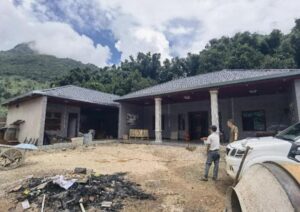
We supported families in Myanmar whose houses had been damaged during recent fighting to reconstruct their homes
Whether supporting internally displaced persons to establish small businesses, maintaining clinics in remote villages, contributing to reconstruction of homes, or educating people about the dangers of landmines, our partners in Myanmar are committed to working with communities to improve lives even through the most difficult times.
In some of the worst affected communities, we’ve been able to provide families whose homes were severely damaged with a grant of approximately £530 each to support reconstruction.
Yang Sanming, a community member whose family received one of these grants, told us: “Our family was already in a difficult financial situation, and then our house was completely destroyed by artillery shells in this incident. If it weren’t for your £530 grant, we wouldn’t even be able to put up this small shelter. Thank you so much! Thank you!”
As we become ever more aware globally of the terrible impact of conflict on people’s everyday lives, we’re determined to continue building strong enduring relationships with communities, so they can support people through the worst and advocate for better.
Please make a regular monthly donation; whatever you can give will help communities keep people safe and healthy during times of conflict.
- £5 a month could pay for agricultural training for one person living in a village affected by conflict each year
- £20 a month could help to provide 128 undernourished children with the emergency food needed to improve their health each year
- £45 a month could help a family rebuild one home damaged during armed conflict each year